
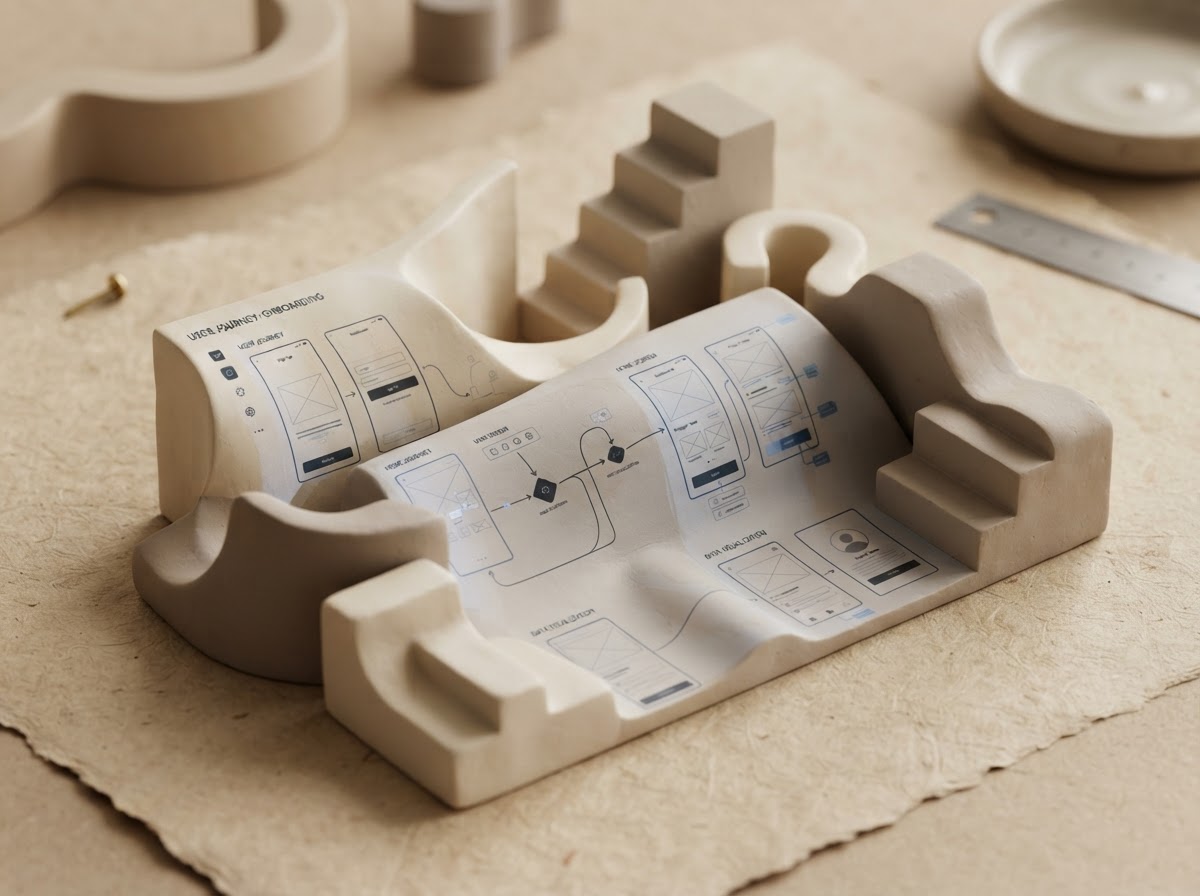
In e-commerce, the purchase decision doesn't form on a single screen. From product information to delivery terms, every step affects the user's trust and their desire to complete the purchase.
“What makes the purchase decision easier is reducing uncertainty at every step.”
Find friction through the user's eyes
Complicated filters, unclear stock information or extra fees appearing at the last step make users' decisions harder. Reviewing every step of the flow shows where unnecessary thinking or repetition occurs.
Presenting product options clearly, showing the total cost early and allowing guest checkout can make the process more predictable.

Make deciding easier on the product page
Product photos, size or variant information, delivery and return terms are part of the purchase decision. When the information users need is scattered across different tabs, comparing and choosing the right product gets harder.
Filter and sorting options should also be designed according to the structure of the product catalogue. Understandable category names and visible selected filters help users track where they are, especially in long product lists.

Protect trust through checkout
Clearly showing the total amount, delivery details and order summary before payment reduces unwelcome surprises. Understandable form labels and guidance for fixing errors support completing the transaction smoothly.
Asking only for the necessary information and offering sensible options such as guest checkout can reduce unnecessary barriers in the payment flow. Evaluate the effect of these changes with real usage data.
Measure the small improvements
Every change should be evaluated not on assumption but on user behaviour and test results. Alongside conversion, error rates, the step where users give up and customer feedback also show the health of the experience. E-commerce UX work delivers sustainable results when it treats user trust and commercial goals together.
Proven micro-architecture practices that minimise the friction users encounter all the way to the cart step.